

Solutions & Methods
Limelight Biodiversity
Limelight Biodiversity helps corporations meet biodiversity and carbon offset commitments by providing high-resolution data for conservation planning. Our services enable businesses to demonstrate environmental stewardship, assess biodiversity health on reserves and plantations, and ensure compliance with global sustainability standards.
Our solution is based on the Limelight, a sampling platform that involves several components:
- Drone delivery to the canopy of the rainforest
- Bioacoustic data collection
- Image collection of the insects that are attracted to the device
- Collection of insect specimens from malaise, pit-fall and dungfly traps
- Real time feed of data back to the base
- Recovery
- Species identification using machine learning platforms at base.
We also have technology to remotely collect environmental DNA (eDNA) from plant surfaces, water, and air. We continue to explore new avenues of data collection including plant chemistry and plant volatile chemistry.
We are also working with Kichwa and Waorani indigenous groups in Ecuador to better understand the role of species diversity in their lives and the pathways to sustainability. Finally, communication of insights and diversity measures will be a critical component of sharing our solution with the world.
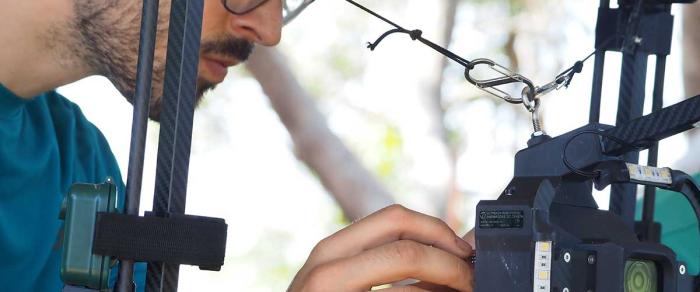
Camera traps are a standard tool in the quiver of techniques used to monitor mammal populations that are difficult to detect by human observation. Supported by cutting-edge AI algorithms, these economical tools form foundational data for conservation management across large areas.
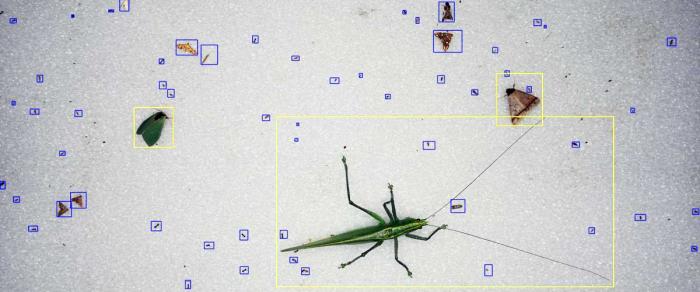
Limelight Rainforest’s insect monitoring combines AI‑powered image capture (camera traps and light‑attractant devices) with specimen collection and DNA barcoding to identify individual insects. This integrated pipeline translates huge volumes of insect occurrence, diversity, and abundance data into insights about ecosystem health, species of concern (whether endangered, invasive, or pests), and how insect communities respond to environmental change.
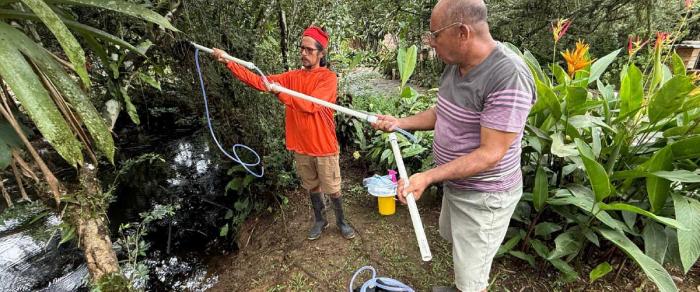
Through collection and analysis of environmental DNA (from water, air, and plant surfaces ), Limelight Rainforest’s solution detects organisms present in an ecosystem without needing direct observation or capture. The data are processed using genetic barcoding and standards to rapidly catalogue biodiversity, including otherwise cryptic or rare species, giving a more comprehensive view of what’s living in a habitat.
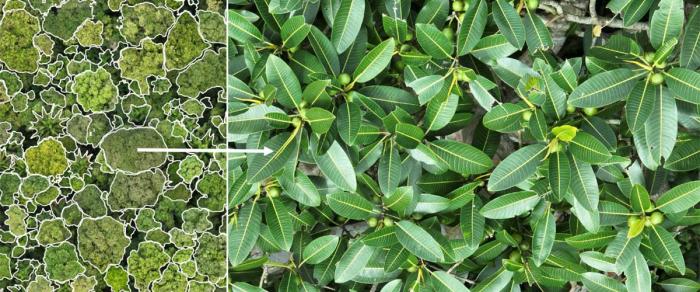
Using drones to deliver imaging sensors into the rainforest canopy, Limelight Rainforest captures high‑resolution photos of trees and lianas, allowing precise estimates of canopy cover, structure, and species composition. These images, linked via segmentation and mapping tools, transform photographic data into quantifiable metrics that describe forest health, vegetation dynamics, and habitat complexity. Because we can identify many trees to species, we provide the highest quality tree biodiversity data on earth.
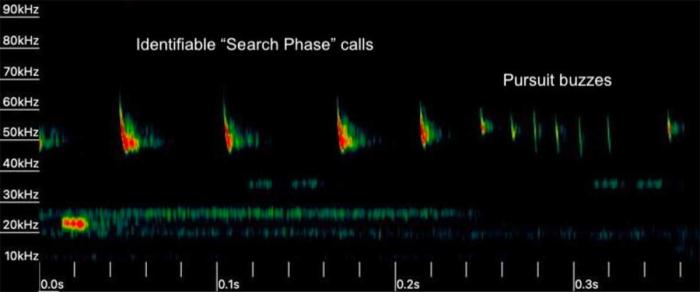
By deploying multi‑microphone acoustic arrays (NatureNode) optimized for beamforming, Limelight Rainforest captures directional soundscapes across taxa such as birds, bats, frogs, and primates in the forest canopy. AI algorithms then process the recordings to identify species, map territory use, and reveal behavioral patterns, offering temporal and spatial data at a level of detail that exceeds any other commercial system.